To prepare for SSB daily, you need a balanced routine that focuses on physical fitness, mental resilience, and personality development. Here’s a structured daily plan that will help you develop Officer-Like Qualities (OLQs):

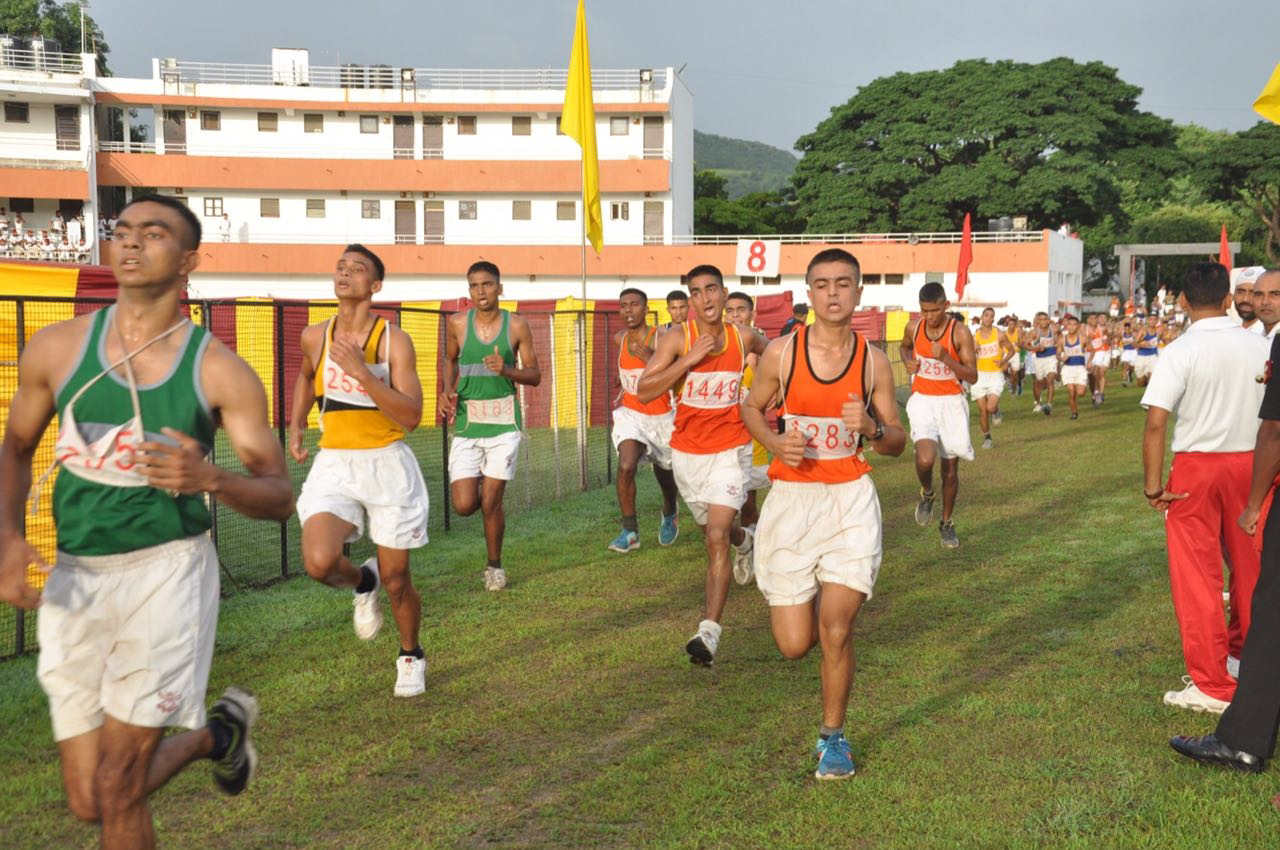
Morning Routine (5:00 AM - 7:00 AM) – Physical Fitness
- Running (5-7 km) → Improves stamina for GTO tasks and obstacle course.
- Bodyweight Exercises:
- Push-ups (50–100)
- Pull-ups (10–15)
- Sit-ups (50–100)
- Squats (50–100)
- Obstacle Training (if possible) → Practice jumping, climbing, and crawling techniques.
- Stretching & Flexibility Exercises
After Breakfast (8:00 AM - 10:00 AM) – General Awareness & Communication
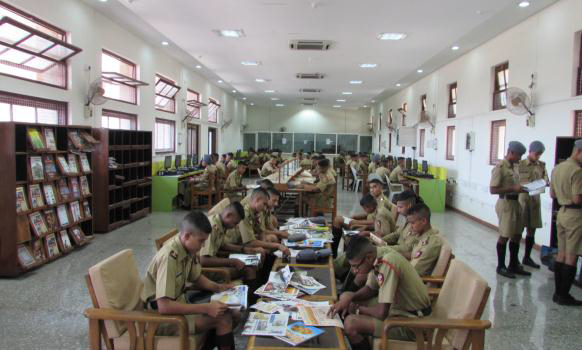
- Read the newspaper (The Hindu, The Indian Express) – Focus on Defense, National, and International News.
- Make Notes of important topics and revise them regularly.
- Practice Public Speaking:
- Discuss current affairs for 5-10 minutes.
- Record yourself speaking and analyze your voice, tone, and confidence.
Midday (12:00 PM - 1:00 PM) – Psychological Test Practice
- Word Association Test (WAT) – Write responses for 60 words in 15 minutes.
- Situation Reaction Test (SRT) – Solve at least 20-30 situations daily.
- Thematic Apperception Test (TAT) – Write stories for 12 pictures within 4 minutes each.
Afternoon (3:00 PM - 4:30 PM) – Logical & Analytical Thinking
- Practice Reasoning & Aptitude – Solve questions on:
- Verbal & Non-verbal Reasoning
- Puzzles & Syllogisms
- Decision-making scenarios
- Group Discussion Practice
- Choose a topic and argue both for and against it.
Evening (5:30 PM - 7:00 PM) – Leadership & Teamwork
- Join a Sports Activity (Football, Basketball, or Cricket) – Helps in team coordination.
- Practice Outdoor Tasks
- If possible, practice command tasks, group planning exercises, and obstacles.
Night (9:00 PM - 10:30 PM) – Self-Reflection & Interview Preparation
- Maintain a Personal Diary
- Write about the day’s experiences, challenges, and improvements.
- Prepare for Personal Interview (PIQ form-based questions)
- Practice answering questions about:
- Yourself & Family Background
- Hobbies & Interests
- Strengths & Weaknesses
- Practice answering questions about:
- Watch Motivational Videos or Read Biographies of Army Officers

Bonus Daily Practices:
✅ Stay disciplined and confident in daily activities.
✅ Improve English fluency (speak in English throughout the day).
✅ Stay positive & mentally strong by practicing meditation or yoga.
This daily routine will help develop the physical fitness, leadership, intelligence, and psychological strength required for SSB success.

Comments
Post a Comment