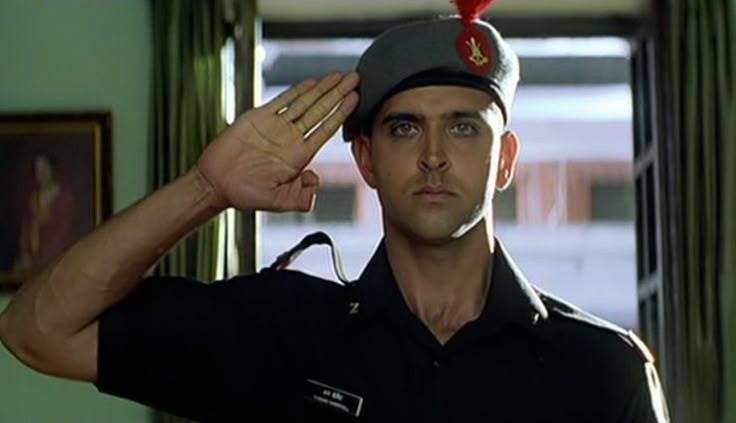
Conference Out ! What to do now ?

Getting conferenced out in an SSB (Services Selection Board) interview can be disappointing, but it’s important to stay positive and plan your next steps wisely. Here’s what you should do: 

Join our telegram channel 'Delta SSB' for daily updates


1. Self-Analysis & Improvement

  • Reflect on Your Performance – Think about where you might have lacked, whether in psychological tests, GTO tasks, or personal interviews.
  • Seek Feedback – If possible, discuss your experience with someone who has cleared the SSB or an experienced mentor.
  • Work on Weak Areas – Improve your communication skills, officer-like qualities (OLQs), and overall personality.

2. Improve Physical Fitness

3. Enhance Knowledge & Awareness

  • Stay updated with current affairs, defense-related topics, and general knowledge.
  • Improve logical reasoning and decision-making skills, which are crucial for SSB tests.

4. Plan Your Next Attempt

  • If you are eligible, apply for the next available SSB entries.
  • Focus on a strategic approach to crack the psychological tests, group discussions, and interviews.

5. Consider Other Career Options

  • While reattempting SSB, also explore backup career options like SSC CGL or NEET (which you are already planning for).
  • If you are passionate about defense, consider paramilitary forces like CAPF, state police, or other government security-related jobs.

6. Maintain a Positive Mindset

  • SSB is about personality; it’s not just about passing an exam but developing leadership qualities.
  • Many successful candidates clear it in multiple attempts, so don’t get disheartened.

Join our telegram channel 'Delta SSB' for daily updates

Are you planning to reappear for SSB, or are you considering a different path now? Tell us in Comment. 


Comments

Popular posts from this blog

Daily Routine For preperation of SSB/AFSB

To prepare for SSB daily , you need a balanced routine that focuses on physical fitness, mental resilience, and personality development . Here’s a structured daily plan that will help you develop Officer-Like Qualities (OLQs): Morning Routine (5:00 AM - 7:00 AM) – Physical Fitness Running (5-7 km) → Improves stamina for GTO tasks and obstacle course . Bodyweight Exercises : Push-ups (50–100) Pull-ups (10–15) Sit-ups (50–100) Squats (50–100) Obstacle Training (if possible) → Practice jumping, climbing, and crawling techniques. Stretching & Flexibility Exercises After Breakfast (8:00 AM - 10:00 AM) – General Awareness & Communication Read the newspaper (The Hindu, The Indian Express) – Focus on Defense, National, and International News . Make Notes of important topics and revise them regularly. Practice Public Speaking : Discuss current affairs for 5-10 minutes . Record yourself speaking and analyze your voice, tone, and confiden...

How to Answer “Why Do You Want to Join the Indian Army, Navy, or Air Force?” – SSB Interview Tip

Join our Telegram for daily Updates:  Delta SSB One Question, Many Interviews In every SSB interview, there’s one question that almost always pops up: “Why do you want to join the Indian Army?” (Or Air Force, or Navy — depending on your choice.) It seems simple, but your answer reveals a lot about your personality, motivation, and seriousness. Especially if you're an NCC cadet, you have a unique advantage — you’ve already had a taste of military life. Let’s break down how to answer this key SSB question with confidence and clarity, and explore sample responses for NCC cadets and general aspirants. Why This Question Matters in SSB Interviews The Interviewing Officer (IO) isn’t looking for a rehearsed line. They want to know: What drives you to join the Armed Forces? Is your motivation based on real experience? Do you understand what life in uniform truly demands? How to Structure Your Answer To make your answer natural and impressive, follow this structure: 1. Your Inspiration – Wh...

Basic Organizational Information of the Indian Army – What Every SSB Aspirant Must Know

Join Our Telegram Channel 'Delta SSB' for daily updates When you walk into the SSB interview room, the officer in front of you doesn’t just see a candidate—they see a potential leader of men. To earn that role, you must understand what you're stepping into. The Indian Army is one of the most structured, disciplined, and purpose-driven organizations in the world. And as a future officer, knowing its basic organizational setup is the first step toward belonging. Let’s break it down. COMMAND AND CONTROL OF THE INDIAN ARMY The President of India is the Supreme Commander of the Indian Armed Forces. As in all democracies, the Indian Armed Forces are controlled by the elected political leadership of the Nation - The Government of India. Executive control is exercised sequentially through the Union Cabinet, the Defence Minister, the Chiefs of Staff Committee (COSC) and the Chiefs of Army, Naval and Air Staff of their respective Services. The Ministry of Defence handles matters rela...